
NSW is failing medicinal cannabis patients and half-measures won’t fix it
Will Tregoning
15.9.25
Here’s something that would sound ridiculous if it applied to any other medicine: take your doctor-prescribed medication exactly as directed and you’re banned from driving for weeks afterwards.
Imagine having a glass of wine on Friday night and being banned from driving for a month. That’s the logic medicinal cannabis patients are dealing with. They are banned from driving not because they are impaired, not because they are unsafe, but simply because traces of a legal medicine might be detectable in their system.
This law is criminalising residue, not impairment. Research shows driving skills typically bounce back within five hours of using cannabis, but traces can remain in the body for up to a month. Even NSW Police acknowledge their saliva tests cannot determine impairment. Yet our law treats yesterday’s medicine as if it were today’s intoxication.
The perversity runs deeper. Having fewer than six hours sleep doubles crash risk. Many patients use medicinal cannabis at night to help them sleep: crucial medication that’s completely worn off by morning. But because traces remain detectable, they’re banned from driving. So patients who want to keep their licences skip their sleep medication, creating exactly the kind of impairment risk that we should be looking to prevent.
Many other patients do what you’d expect responsible people to do: they follow the law and don’t ever drive. The human cost is heartbreaking. Sarah had to leave her regional home and career behind when medicinal cannabis finally helped her chronic condition. The medication didn’t impair her at all, but she couldn’t legally drive for work anymore. Everything she’d built was gone, forcing her to start over in Sydney.
Then there’s the Lismore woman whose chronic migraines disappeared after 30 years of suffering, thanks to her prescription cannabis. But regional public transport is practically non-existent, so her miracle treatment became a prison sentence. She describes feeling “like a prisoner in my own home.”
This happened because when the federal government legalised medicinal cannabis in 2016, NSW simply forgot to update its driving laws. Nearly 10 years on, we’re still treating this legal medicine as an illegal drug.
Real reform means treating medicinal cannabis like any other prescription medication. The solution is straightforward: amend the definition of “illicit drug” in the Road Transport Act to exclude cannabis medicines prescribed by doctors and taken according to prescription. This exemption should be available roadside rather than dragging patients through the overstretched court system.
The NSW Drug Summit urgently recommended fixing this. So did the recent Parliamentary inquiry into cannabis. Government insiders confirm the Premier has privately agreed to move ahead. So what’s the hold-up?
The concerning whisper around Parliament House is that the government might opt for Victoria’s approach: keeping the presence of medicinal cannabis illegal while giving patients a one-off chance to defend a cannabis presence charge in court. This would be a profound mistake that misses the point entirely.
NSW already has something similar. Magistrates can dismiss penalties for first-time medicinal cannabis patients who challenge their fines in court. But this bandaid solution creates more problems than it solves. Patients still face the stress and cost of court proceedings – something that happens with no other prescription medication. Most critically, they still can’t drive because the presence of cannabis residue remains an offence, voiding their insurance coverage.
Imagine being in an accident that’s not your fault, only to discover you’re not covered because traces of your prescribed medication were detected in your system.
One cancer patient told us: “What I can’t get over is the double standard. If you’re drinking, you get a blood alcohol limit. But if you’re a cannabis patient, there’s no leeway at all.”
The insurance issue alone makes court-based solutions meaningless. When presence equals offence, patients remain unprotected and uninsured.
Meanwhile, the human cost mounts. Patients cease medication to maintain mobility. Rural residents are isolated. Some switch to more harmful alternatives. One parent watched his son abandon helpful cannabis for alcohol, simply because drinking doesn’t trigger roadside testing the next day.
Half-measures that send patients to court aren’t reform – they’re political theatre. NSW needs a complete medical exemption that allows unimpaired patients to drive safely, with full insurance coverage and police recognition of their legitimate prescription status.
Anything less perpetuates the injustice thousands of patients face daily: being treated as criminals for following their doctor’s orders.
Image Credit:
Takahiro Taguchi
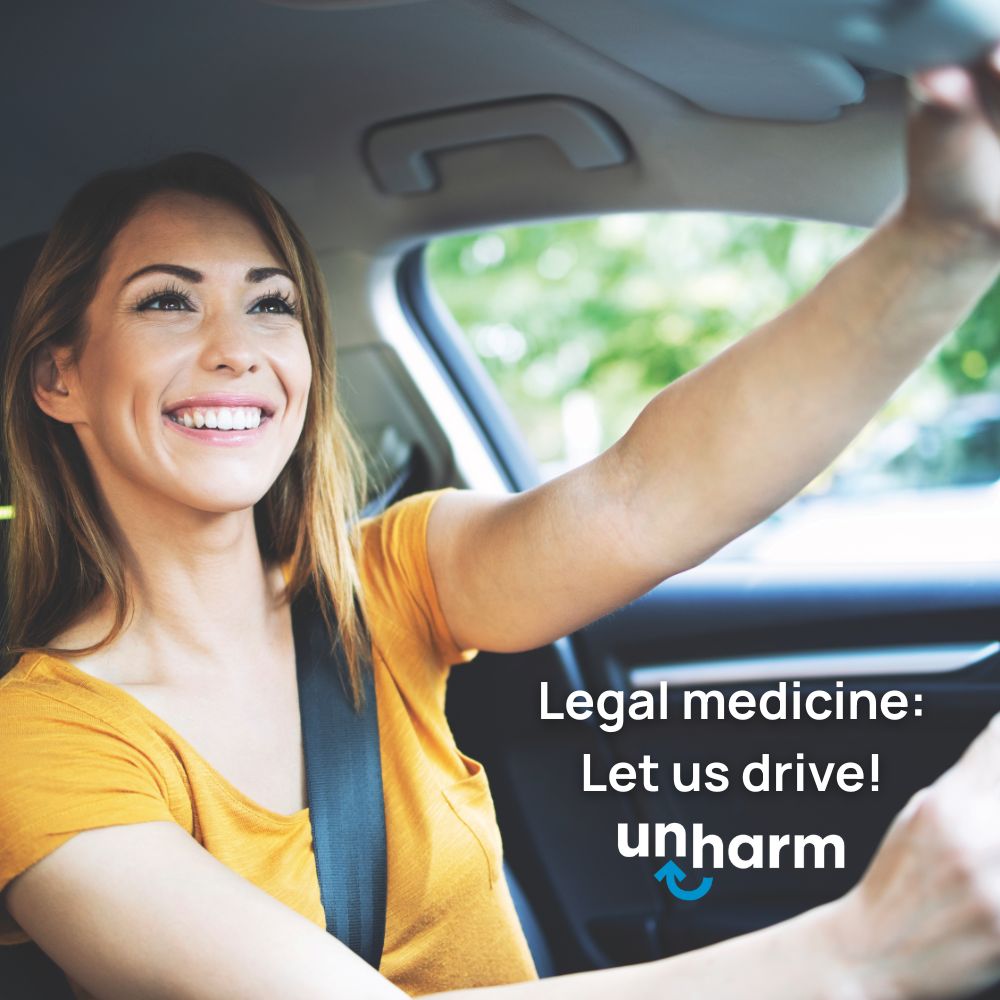
Tell your NSW MP, let patients drive!
We’re calling for a simple, safe reform: update the law so people with prescriptions can drive once the effect has passed, just like patients prescribed any other medicine. Take action to support our campaign now, email your MP via this tool.

Legal medicine, let us drive!
Want more info about the law and the evidence base? You can read our detailed policy explainer, download the policy report we sent to NSW MPs, and view our FAQ here.
